
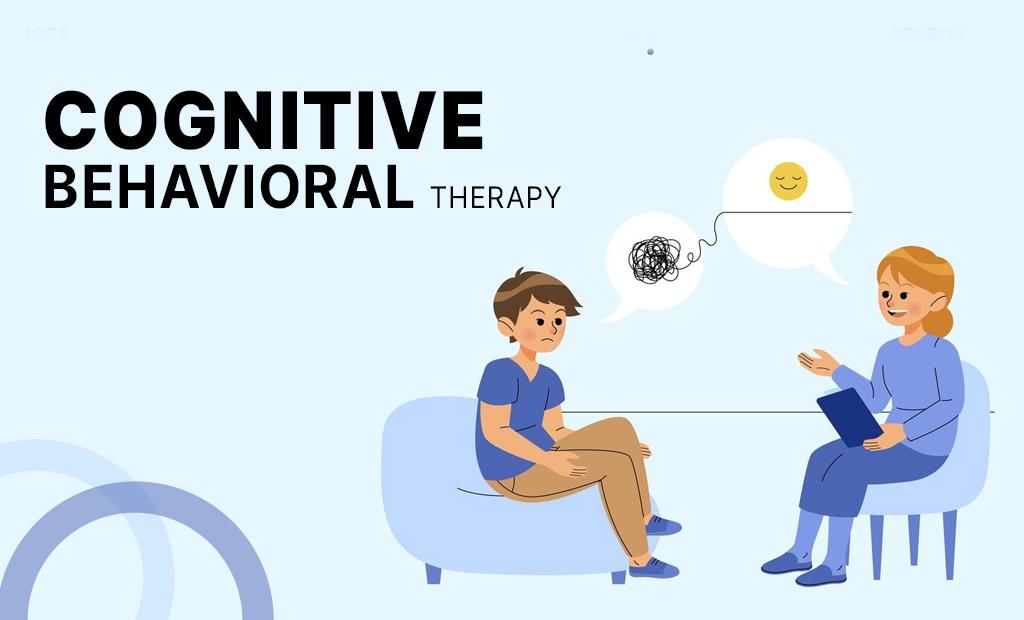
Cognitive Behavioral Therapy (CBT) is a form of therapy that focuses on the relationship between your thoughts, emotions, and behaviors. It's a highly effective and evidence-based treatment that has been shown to help individuals with a wide range of mental health issues, including anxiety, depression, post-traumatic stress disorder (PTSD), obsessive-compulsive disorder (OCD), and more.
CBT can Improve Life and Help you Achieve Goals:
In this article, we'll explore how CBT can improve your life and help you achieve your goals.
CBT can help you identify negative thought patterns
One of the key principles of CBT is that our thoughts, emotions, and behaviors are all interconnected. Negative thought patterns can lead to negative emotions and behaviors, which can then further reinforce those negative thoughts. By working with a CBT therapist, you can learn to identify and challenge negative thought patterns, which can help to improve your overall mood and reduce symptoms of anxiety and depression.
CBT can help you manage stress and anxiety
Stress and anxiety are common issues that many people face in their daily lives. Cognitive Behavioral Therapy can help you develop coping strategies to manage stress and anxiety, such as relaxation techniques, mindfulness, and cognitive restructuring. By learning how to manage stress and anxiety more effectively, you can improve your overall well-being and reduce the negative impact these issues can have on your life.
CBT can improve your relationships
CBT can also help you improve your relationships with others. Negative thought patterns and behaviors can often contribute to relationship issues, such as communication problems, conflict, and mistrust. By learning to identify and change these negative patterns, you can improve your communication skills, increase your empathy and understanding of others, and build stronger, more fulfilling relationships.
CBT can help you achieve your goals
CBT is a goal-oriented therapy, which means that it focuses on helping you achieve specific goals that you set for yourself. Whether your goals are related to work, relationships, or personal growth, a CBT therapist can help you develop a plan to achieve them. By identifying and changing negative thought patterns and behaviors that may be holding you back, you can increase your motivation and confidence, and take action towards achieving your goals.
CBT can help you improve your self-esteem
Many people struggle with low self-esteem, which can impact many areas of their lives, including their relationships, work, and overall well-being. CBT can help you challenge negative self-talk and beliefs, and replace them with more positive and realistic thoughts. By improving your self-esteem, you can increase your confidence, reduce feelings of self-doubt, and feel more empowered to take on new challenges.
CBT can help you manage chronic pain
Chronic pain can be a debilitating issue that affects many people. Cognitive Behavioral Therapy can help you develop coping strategies to manage chronic pain, such as relaxation techniques, distraction techniques, and cognitive restructuring. By learning how to manage chronic pain more effectively, you can improve your overall quality of life and reduce the negative impact that pain can have on your daily activities.
CBT can help you overcome trauma
Trauma can have a profound impact on our lives, leading to symptoms such as flashbacks, nightmares, and avoidance behaviors. CBT can help you process traumatic experiences and develop coping strategies to manage symptoms of PTSD. By learning how to manage these symptoms, you can reduce the impact that trauma has on your life and improve your overall well-being.
Conclusion:
In conclusion, Cognitive Behavioral Therapy (CBT) is a highly effective and evidence-based treatment that can help you improve your mental health, manage stress and anxiety, improve your relationships, achieve your goals, improve your self-esteem, manage chronic pain, and overcome trauma. If you're struggling with any of these issues, consider working with a licensed Sugar Land Therapist