
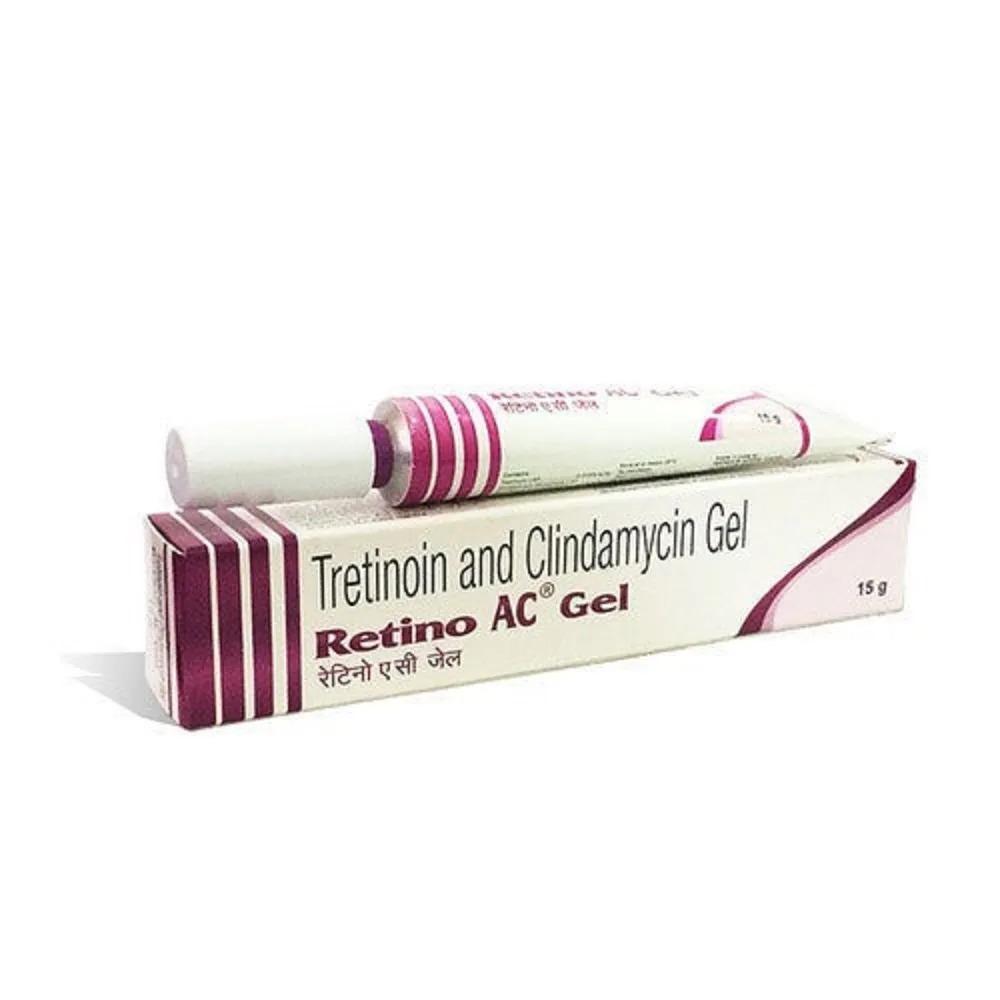
Retino AC Gel is a topical medication that combines two active ingredients: tretinoin and clindamycin. It is primarily used for the treatment of acne, a common skin condition characterized by the formation of pimples, blackheads, and whiteheads.
The gel is formulated to be applied directly to the affected areas of the skin, allowing the active ingredients to penetrate and treat the underlying causes of acne.
Tretinoin, also known as all-trans retinoic acid, is a derivative of vitamin A. It belongs to a class of medications called retinoids, which are known for their effectiveness in treating various skin conditions.
Tretinoin works by increasing the turnover of skin cells, preventing the formation of new acne lesions, and promoting the healing of existing ones.
It helps unclog pores, reduces inflammation, and improves the overall texture and appearance of the skin. Tretinoin is also used in the treatment of other dermatological conditions, such as wrinkles, fine lines, and hyperpigmentation.
Clindamycin is an antibiotic that belongs to the lincosamide class. It works by inhibiting the growth of bacteria on the skin, specifically the Propionibacterium acnes bacteria that are often associated with acne.
By reducing the number of bacteria present on the skin, clindamycin helps to control acne and prevent the formation of new lesions. It also possesses anti-inflammatory properties that aid in reducing redness and swelling associated with acne.
The retino ac gel combines the benefits of both tretinoin and clindamycin, making it a potent and effective treatment for acne. The gel formulation ensures easy application and absorption into the skin, allowing the active ingredients to work directly at the site of acne lesions.
The gel is typically applied once daily, preferably in the evening, to clean and dry skin. It is important to follow the instructions provided by a healthcare professional or as directed on the product label.
Like any medication, Retino AC Gel may cause side effects in some individuals. Common side effects include skin dryness, redness, peeling, itching, and a temporary increase in acne lesions during the initial weeks of treatment.
These side effects are often mild and subside as the skin adjusts to the medication. However, if the side effects are severe or persistent, it is advisable to consult a healthcare professional for further guidance.
Retino AC Gel is generally contraindicated in individuals with a known hypersensitivity to tretinoin, clindamycin, or any other components of the gel.
It is also important to avoid excessive sun exposure and the use of other irritating or drying skincare products while using Retino AC Gel, as these may exacerbate skin irritation.
In conclusion, Retino AC Gel is a topical medication combining tretinoin and clindamycin, two active ingredients that are effective in treating acne. By targeting multiple aspects of the condition, the gel helps unclog pores, reduce inflammation, inhibit bacterial growth, and promote skin cell turnover.
It is essential to use Retino AC Gel as directed and consult a healthcare professional for personalized advice regarding its use and any potential side effects. Visit medicationplace site for more details.