
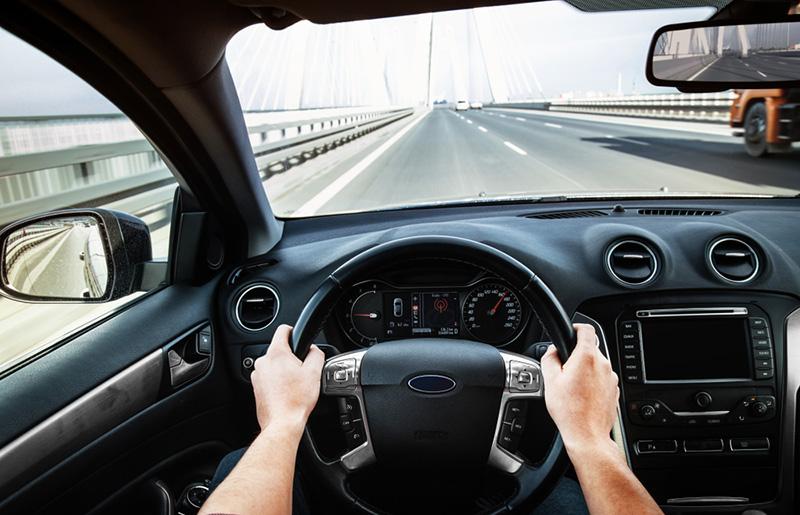
As a PCO (Private Hire Vehicle) driver, you provide a valuable service to the community by offering safe and reliable transportation. However, being on the road comes with its fair share of risks, and accidents or incidents can occur despite your best efforts. In such situations, it's crucial to understand PCO driver claims and the options available for compensation and support. In this blog, we will explore the essentials of PCO driver claims, including the claims process, types of claims, and the importance of seeking professional advice to navigate this complex area effectively.
1. Understanding PCO Driver Claims:
PCO driver claims refer to the process of seeking compensation and support for losses and injuries resulting from accidents or incidents while on duty. These claims are essential for PCO drivers who may experience financial hardships, medical expenses, and vehicle repairs as a result of someone else's negligence or fault.
2. Types of PCO Driver Claims:
a) Personal Injury Claims: If you sustain injuries in an accident caused by another party, you may be eligible to file a personal injury claim. This claim seeks compensation for medical expenses, loss of earnings, pain and suffering, and other related damages.
b) Vehicle Damage Claims: Accidents can result in damage to your vehicle. Vehicle damage claims help recover the costs associated with repairing or replacing your vehicle, ensuring you can get back on the road promptly.
c) Loss of Earnings Claims: When injuries from an accident prevent you from working, you may suffer a loss of earnings. Loss of earnings claims seek compensation for the income you have lost due to the accident.
d) Passenger Injury Claims: If a passenger in your vehicle sustains injuries in an accident caused by another party, they may be entitled to compensation. As a PCO driver, it is crucial to ensure your passengers' safety and well-being, and passenger injury claims address their rights to seek compensation.
3. The Claims Process:
The PCO driver claims process involves several important steps:
a) Seek Medical Attention: Prioritise your health and well-being. Seek immediate medical attention for any injuries sustained in an accident. Document your medical treatment and keep copies of all relevant medical records.
b) Gather Evidence: Collect as much evidence as possible from the accident scene. This may include photos, witness statements, police reports, and any other relevant documentation.
c) Report the Incident: Inform your PCO operator about the incident as soon as possible. They will guide you on the necessary steps to take and may provide assistance in initiating the claims process.
d) Consult with a Personal Injury Lawyer: Engaging a personal injury lawyer with experience in PCO driver claims is highly recommended. They will assess the details of your case, guide you through the claims process, and advocate for your rights to ensure you receive fair compensation.
e) Document Losses and Expenses: Keep a record of all financial losses and expenses incurred as a result of the accident. This may include medical bills, repair costs, vehicle hire expenses, and any other out-of-pocket expenses.
f) Negotiations and Settlement: Your lawyer will engage in negotiations with the responsible party's insurance company to secure a fair settlement. They will work to protect your rights and ensure you receive the compensation you deserve.
4. Importance of Seeking Professional Advice:
Navigating the complexities of PCO driver claims can be challenging without professional guidance. Seeking the assistance of a personal injury lawyer experienced in PCO driver claims ensures you have a knowledgeable advocate on your side. They will handle the legal intricacies, communicate with insurance companies on your behalf, and help maximise your chances of receiving fair compensation.