
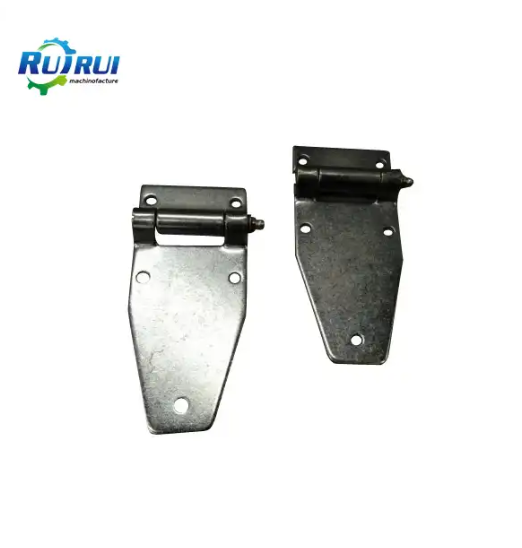
Stainless steel implies invincibility against elements, yet reality dictates otherwise. Maintaining a Stainless steel hinge requires vigilance regarding the passive chromium oxide layer shielding the metal. Routine cleansing utilizing warm water mixed with mild detergent eradicates accumulated grime and salt deposits, primary culprits in localized corrosion. Harsh chemicals, specifically those containing chlorides or bleach, compromise this protective film, leading to pitting. Rinsing thoroughly with fresh water after washing proves essential to prevent residue buildup. Inspect mechanisms frequently for friction or squeaking, applying a high-quality marine-grade lubricant or Teflon-based spray to pivot points. Mechanical abrasion from steel wool must be avoided; synthetic pads preserve the surface finish. For environments with high salinity, such as coastal areas, upgrading to 316-grade alloys offers superior resistance compared to standard 304 variants. Consistent attention to these details ensures hardware longevity, preventing the dreaded "tea staining" discoloration and maintaining structural integrity under load. Neglect encourages oxidation to breach the surface, causing irreversible damage to the component’s operability. A proactive schedule preserves both the aesthetic luster and the functional reliability of your machinery or trailer components.
Understanding the Chemistry of Corrosion Resistance
The Passive Layer Phenomenon
Stainless alloys possess a unique capability to heal themselves through a microscopic shield known as the passive layer. This invisible film forms instantaneously when chromium within the steel reacts with atmospheric oxygen. Preservation of this barrier defines the longevity of any marine or industrial hardware. Mechanical damage, such as scratches or gouges, usually repairs itself given sufficient oxygen exposure. Contaminants blocking oxygen access halt this regeneration, leaving the base metal vulnerable. Dirt, grease, and stagnant water create oxygen-deprived zones where the passive layer collapses, inviting rust formation. Understanding this chemical relationship underscores why keeping surfaces pristine remains the most effective defense strategy. The integrity of a generic steel component pales in comparison to the self-maintaining properties found here, provided the environment enables that natural reaction. Users frequently misunderstand that these metals require breathability to function correctly prevents failure.
Environmental Aggressors
Geography and application context dictate the frequency of maintenance required. Installations near coastal regions face bombardment from airborne chlorides found in sea spray. These chlorides are particularly aggressive, penetrating the passive film and initiating pitting corrosion rapidly. Industrial zones contribute sulfur dioxide and other pollutants that settle on surfaces, forming acidic condensates when mixed with rain or dew. Even indoor applications are not immune; cleaning fumes or high humidity levels can accelerate degradation. Identifying these threats early involves recognizing that "stainless" means it stains less, not that it is unstainable. A Stainless steel hinge subjected to road salts on a trailer requires significantly more rigorous care than one installed on interior cabinetry. Recognizing specific environmental stressors allows for a tailored maintenance schedule, utilizing more frequent fresh water rinses to dilute and remove aggressive chemical deposits before they etch the metal surface.
Effective Cleaning Protocols for Industrial Hardware
Solvent Selection Strategy
Selecting the appropriate cleaning agent determines whether you preserve or destroy the hardware's finish. Highly acidic solutions or those containing hydrochloric acid dissolve the protective chromium oxide layer, rendering the metal defenseless. Optimal cleaning utilizes simpler, less abrasive solutions. Warm water combined with a specialized ammonia-based window cleaner or a mild dish detergent typically suffices for removing routine grime. For stubborn oil or grease found on trailer accessories, using a solvent like isopropyl alcohol or acetone effectively degreases without leaving corrosive residues. Alkaline cleaners work effectively provided they are thoroughly rinsed away. The market is flooded with "miracle" cleaners, yet many contain harsh abrasives that scratch the surface, creating crevices where bacteria and rust spores thrive. Adhering to pH-neutral or mild alkaline solutions safeguards the metallurgical integrity while restoring the aesthetic shine vital for professional equipment appearance.
Abrasion Avoidance
Physical scrubbing techniques require careful consideration to avoid causing mechanical damage. Carbon steel brushes or steel wool pads leave behind microscopic iron particles embedded in the stainless surface. These foreign iron particles rust quickly, creating the illusion that the hinge itself is failing. This phenomenon, known as exogenous contamination, leads to unsightly orange streaking. Utilizing Scotch-Brite pads or soft nylon brushes eliminates this risk. Wiping motion should always follow the direction of the polish lines or "grain" of the steel. Cleaning across the grain introduces micro-scratches that trap contaminants, making future cleaning efforts more arduous. Using soft microfiber cloths for the final drying phase prevents water spots, which are essentially concentrated mineral deposits that can initiate localized corrosion. Treating the physical surface with gentleness preserves the passive layer, ensuring the mechanism operates smoothly for years.
Lubrication and Mechanical Inspection
Friction Reduction Agents
Mobility remains the primary function of any hinge, and friction acts as the enemy of longevity. As metal surfaces rub together without adequate separation, galling—a form of wear caused by adhesion between sliding surfaces—can occur, leading to seizure. Applying a suitable lubricant mitigates this risk significantly. Petroleum-based greases often attract dust and grit, forming an abrasive paste that accelerates wear. Dry silicone sprays or PTFE (Teflon) based lubricants offer superior protection by creating a slick, non-stick surface that repels debris. Waterproof marine grease provides an excellent barrier for trailer components exposed to wet conditions. The lubricant should penetrate the barrel of the hinge, reaching the pin where the highest load stresses exist. Regular application ensures silent operation and provides a secondary hydrophobic barrier against moisture intrusion, further bolstering rust prevention efforts.
Structural Integrity Audits
Routine maintenance sessions present the perfect opportunity to assess the mechanical health of the assembly. Vibrations from travel, specifically in trailer applications, often loosen fasteners over time. A loose hinge places uneven stress on the mounting points and the pin, leading to potential warping or catastrophic failure. Checking the tightness of all screws and bolts ensures the load remains distributed as designed. Inspect the pin for signs of elongation or bending, which indicates the hardware is under-rated for the load. Cracks or deep gouges in the metal structure compromise the corrosion resistance and structural safety. Identifying these issues early allows for component replacement before a breakdown occurs on the road. A Stainless steel hinge acts as a critical pivot point; ensuring it remains mechanically sound is just as vital as keeping it clean.
Remedying Early Signs of Oxidation
Eradicating Surface Discoloration
Discoloration, often termed "tea staining," manifests as heavy brown spots on the surface, particularly in marine environments. Ignoring these early warning signs allows the corrosion to deepen into the metal matrix. Early intervention usually restores the hardware to near-new condition. Specialized stainless steel polishes containing mild oxalic acid or phosphoric acid effectively dissolve the rust oxides without harming the base metal. Commercial chemical cleaners designed for this specific purpose offer a safe method for removal. Applying a paste made from baking soda and water provides a home-remedy alternative for minor spotting. Rub the affected area gently, rinse copiously, and dry immediately. Removing this surface oxidation halts the progression of the decay. Leaving these stains untreated permits the rust to act as a localized anode, accelerating the corrosion rate of the surrounding metal swiftly.
Restoring the Protective Barrier
Removing the rust is merely the initial step; helping the metal heal ensures lasting protection. This process, known as passivation, typically occurs naturally, but chemical acceleration aids significantly after deep cleaning. Once the surface contaminants and rust oxides disappear, the raw stainless steel needs exposure to air to reform its chromium oxide shield. Certain treatments promote this oxidation process, enhancing the thickness and uniformity of the passive layer. Allow the cleansers to do their work, then rinse and dry allows the oxygen to interact with the chromium. Avoiding immediate exposure to saltwater or harsh environments right after intense cleaning gives the metal time to restabilize. Periodic application of a waxy protectant or carnauba wax adds a sacrificial layer on top of the passive film, offering extended protection against aggressive environmental factors and reducing the frequency of deep cleaning requirements.
As a manufacturer and trading company, Qingdao Ruirui Machinery Manufacturing Co., Ltd. specialize in producing Trailer pins, Trailer arms, Winches, Trailer fasteners and other trailer accessories and custom sheet metal products. Qingdao Ruirui Machinery Manufacturing Co., Ltd. is professional Stainless steel hinge manufacturers and suppliers in China. It has been deeply involved in this industry for 9 years and has profound insights into the products. If you are interested in Stainless steel hinge, welcome to share your idea with us.
References
Sedriks, A. J. (1996). Corrosion of Stainless Steels. New York: Wiley-Interscience.
McGuire, M. F. (2008). Stainless Steels for Design Engineers. Materials Park, OH: ASM International.
Roberge, P. R. (2000). Handbook of Corrosion Engineering. New York: McGraw-Hill Education.
Googan, C. (2022). Marine Corrosion and Cathodic Protection. Boca Raton: CRC Press.
Cramer, S. D., & Covino, B. S. (2003). ASM Handbook, Volume 13A: Corrosion: Fundamentals, Testing, and Protection. Materials Park, OH: ASM International.
Schutze, M. (2018). Corrosion and Environmental Degradation. Weinheim: Wiley-VCH.