
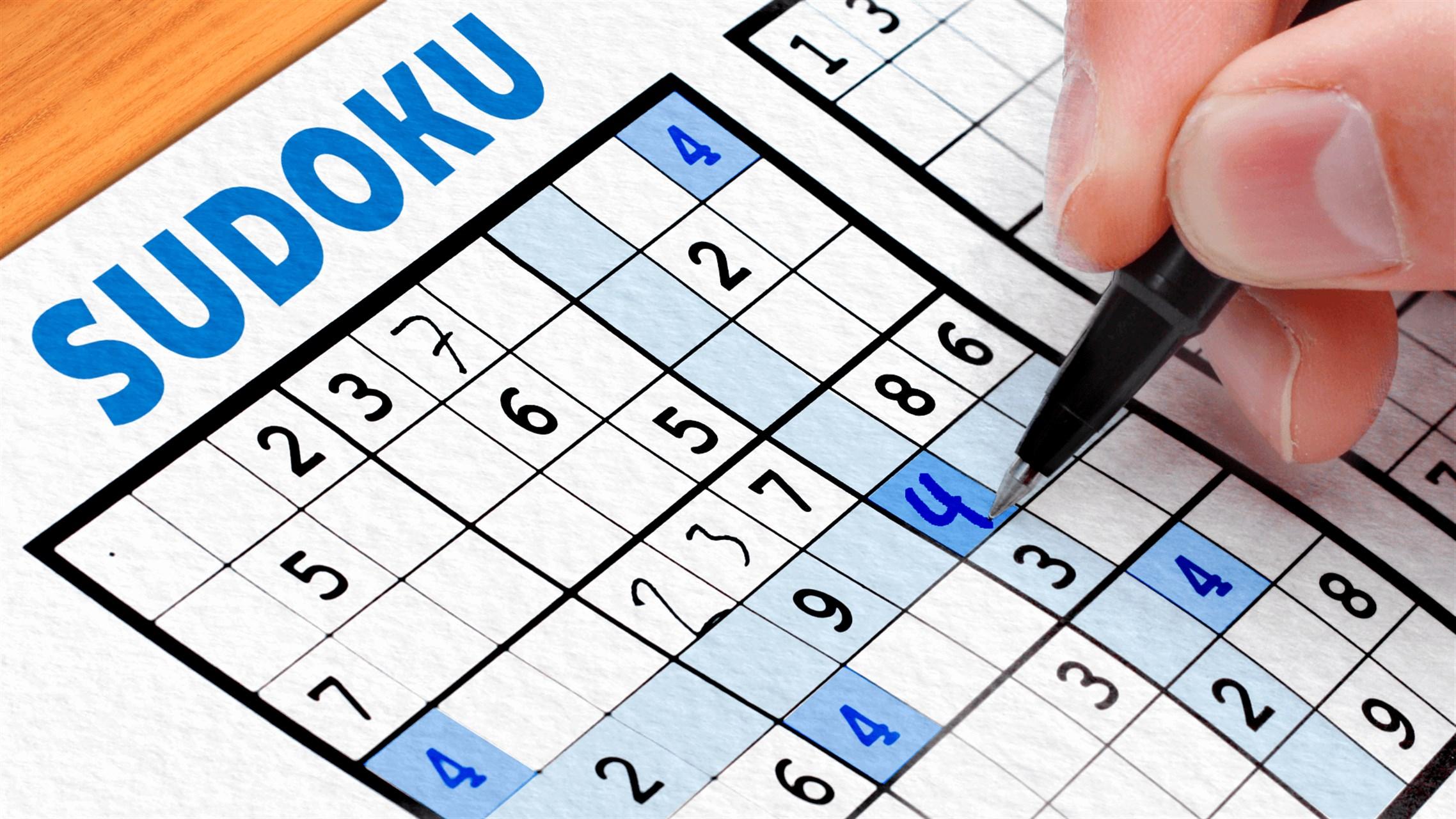
There’s a very specific kind of frustration that only a logic puzzle can create.
Not the loud, dramatic kind—no shouting, no rage quitting. It’s quieter than that. More like sitting still, staring at a grid, and thinking, “I should be able to solve this… so why can’t I?”
That’s exactly the feeling I had last weekend when I opened a Sudoku puzzle that looked completely harmless at first glance.
Spoiler: it was not harmless.
The Confidence Trap
“This Looks Easy”
I’ve played enough Sudoku to feel somewhat confident. Not an expert, but definitely not a beginner either.
So when I opened this particular puzzle and saw a decent number of filled-in cells, I thought, “Nice, this should be quick.”
And in the beginning, it was.
I filled in a few obvious numbers. Completed a row. Then a column. Everything felt smooth, almost automatic. My brain was in that comfortable zone where things just flow.
Which is exactly why what happened next caught me off guard.
The Sudden Stop
When Progress Disappears
Out of nowhere, I hit a wall.
No more easy numbers. No clear moves. Just a grid full of possibilities—and none of them certain.
I checked every row. Then every column. Then each 3x3 box again, just in case I missed something.
Nothing.
It’s always strange how quickly confidence can turn into doubt. Five minutes ago, I felt in control. Now I was questioning every single number I had placed.
“Did I mess up earlier?”
“Is there something obvious I’m not seeing?”
“Why does this suddenly feel impossible?”
The Battle Inside Your Head
Logic vs. Impatience
At this point, the game becomes less about numbers and more about mindset.
Part of me wanted to slow down, think carefully, and work through the logic step by step.
The other part? It just wanted to guess and move on.
And honestly, that second part is dangerous.
Because guessing might get you unstuck temporarily—but it also ruins the satisfaction of solving the puzzle properly. Plus, if you guess wrong, you might not even realize it until much later.
So I resisted.
Barely.
The Tiny Clue That Changes Everything
Looking Differently, Not Harder
After being stuck for a while, I tried something different.
Instead of scanning the entire grid randomly, I focused on just one section. One small 3x3 box. Nothing else.
And that’s when I saw it.
A number that had only one possible position—but it was hidden in plain sight. I had looked at that exact box multiple times before, but somehow my brain hadn’t registered the pattern.
That moment felt almost ridiculous.
Like, “How did I not see this earlier?”
But also incredibly satisfying.
The Domino Effect
One Move Unlocks the Whole Grid
Once that single number was placed, everything started to shift.
A row that was previously unclear suddenly had a missing number. That led to another placement. Then another.
Within minutes, the puzzle that felt completely stuck began to unravel.
It’s one of my favorite parts of playing Sudoku—that transition from confusion to clarity. It doesn’t happen gradually. It’s more like a switch flips.
And suddenly, you’re back in control.
That Quiet Sense of Achievement
No One Sees It, But It Feels Good
When I finally completed the puzzle, I didn’t take a screenshot. I didn’t share it anywhere.
I just looked at the finished grid for a few seconds.
Every number in its place. No gaps. No mistakes.
It’s such a small, private victory—but it feels real.
Because you know exactly how much thinking went into it. You remember the moment you were stuck, and the moment everything clicked.
And that contrast makes the finish even more satisfying.
What This Puzzle Taught Me (Again)
Struggling Is Part of the Process
I’ve had this experience multiple times now, and it always reminds me of the same thing:
Getting stuck doesn’t mean you’re bad at it.
It usually means you’re right on the edge of figuring something out—you just haven’t seen it yet.
Slowing Down Works Better Than Forcing It
Whenever I rush or try to “push through” quickly, I make mistakes or miss obvious clues.
But when I slow down, focus on one small area, and think clearly, things start to make sense again.
It’s not about working harder—it’s about working differently.
Why I Still Find It Fun
It Keeps Challenging Me
Even after playing many puzzles, I still get surprised.
Some boards feel easy. Others completely throw me off. And that unpredictability keeps things interesting.
I never feel like I’ve “mastered” Sudoku—and maybe that’s a good thing.
It’s a Break That Feels Meaningful
There are so many ways to pass time, but not all of them feel satisfying.
This one does.
It’s quiet, focused, and just challenging enough to keep my brain engaged without overwhelming me.
And at the end, I feel like I’ve actually done something—even if it’s just solving a grid of numbers.