
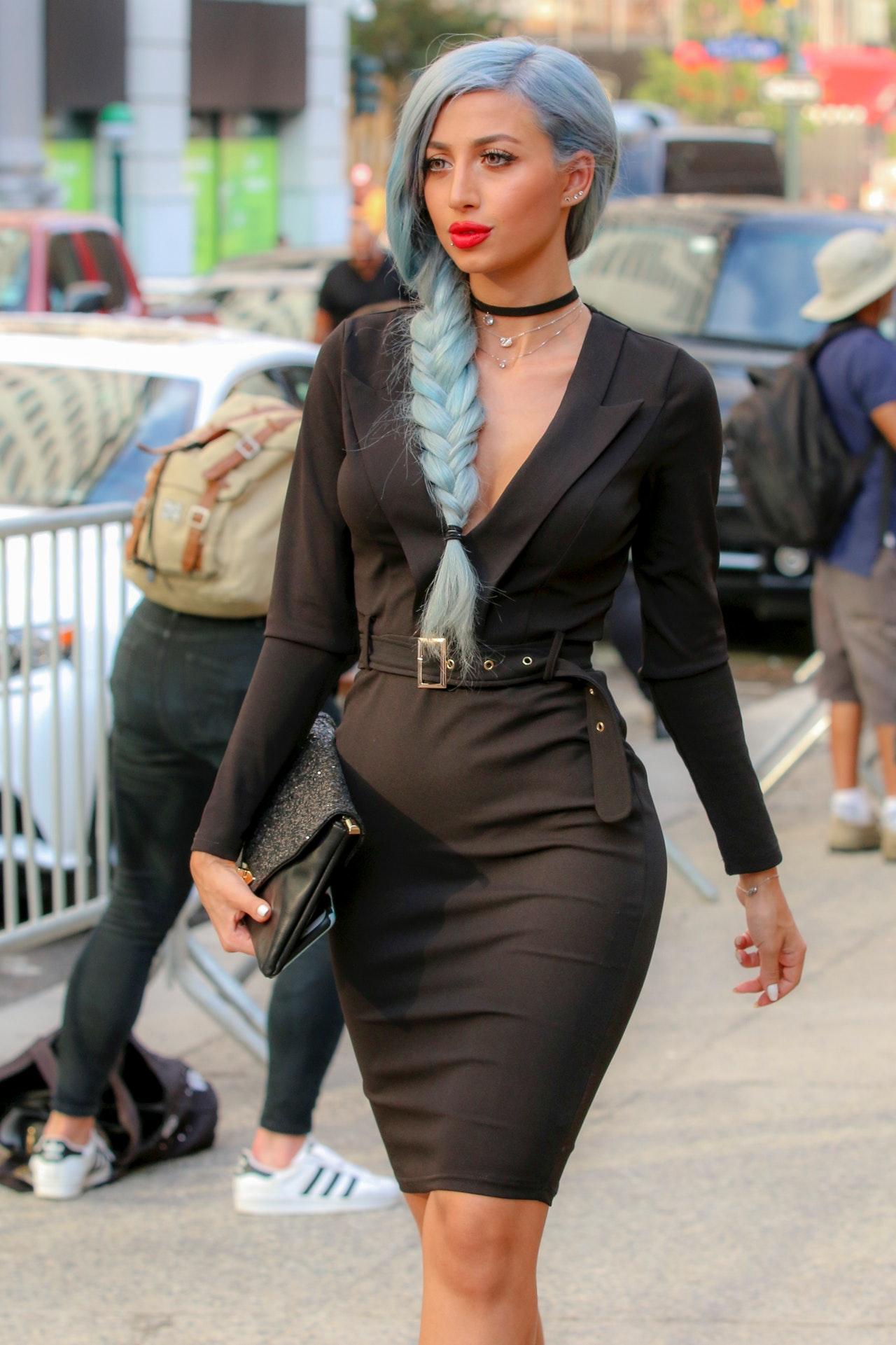
While flowing summer dresses and exquisite evening gowns have always been linked with femininity, the wrap dress is arguably the most significant dress in feminist history. Uncomplicated, easy to wear, casual yet exquisite – despite the fashion fads that have come and gone in today's climate of rapid fashion, the wrap dress and its graceful silhouette have remained one of the most famous designs of all time.
In addition to its practicality, the wrap dress helped build a freeing fashion movement for women around the world. It is a fashion accessory that celebrates the various qualities of a woman, bridging the gap between bold seduction and proud humility.
How It Started
Although the wrap dress is commonly attributed to the Belgian fashion designer Diane von, its history stretches back to the 1930s, when it was already a staple in the American designer tradition. Elsa Schiaparelli was one of the first designers to invent the wrap dress. Interestingly, she drew influence from aprons to create a flattering and flexible form for all body types. Some of her first designs may have even featured buttons and were constructed of tussore silk with a waist tie.
Charles James, who was noted for his intensely sensuous designs and cuts that further highlighted the physique, was another important designer who helped pioneer the wrap dress trend. His initial concept for the dress "spiralled" around the body and featured either a clasp at the hip or a zipper across the torso. James called his design the "Taxi Dress" because he desired to create a dress that "a woman could slide into or out of in the back of a taxi."
Then, in 1942, Claire McCardell produced the revolutionary "Popover Dress" as a stylish response to the lifestyle of the typical housewife, who led a busy life outside the home. The goal was to create a dress that could be worn when cooking and cleaning at home, as a bathing suit cover-up, or as a cocktail dress. It gained recognition from the American Fashion Critics Association as well as the Coty Award in 1943, and was rapidly deemed the definitive "American Look."
Transformation
The rebirth of the dress began in the 1970s, and we have Diane von to thank for this. Four years after she landed in New York with a suitcase full of her own jersey dresses, she built a reputation for herself and reintroduced the now-iconic outfit.
Her designs incorporated collars, medium-to-long sleeves, and knee-length dresses that wrap around the torso to emphasise the body's curves. Other specifics were the selection of a figure-hugging stretch jersey, a sash knotted around the waist, and the absence of buttons or zips because, as she famously stated, "zips are a nightmare if you're trying to slip out without awakening a sleeping man." This growth resulted in an effortless sex appeal and work-to-play versatility that appealed to both traditionalists and tomboys, expressing a woman who want to feel beautiful and at ease with her sexuality.
In the 1970s, the dress became a symbol of women's liberation, and von herself indicated that her divorce influenced her interpretation. Welcoming the new era of freedom and youth are the days of stiff, stuffy clothing and flawlessly coiffed hair.
Since then, von has sold millions upon millions of her gowns, and the style has remained remarkably current despite the numerous fashion shifts that have occurred over the subsequent decades. It inspired other designers and brands, from Alexander McQueen and Christian Dior to Proenza Schouler and Michael Kors, to develop their own versions of the flattering piece.

Wrapping it up
Today, wrap dresses are a wardrobe necessity for every woman, and Goddiva is creating its own versions. One may readily locate classic designs and styles from United Kingdom manufacturers, as these dresses have become linked with the carefree "U.K. Girl" appearance.
Wrap dresses continue to be a symbol of effortless and self-assured femininity, designed for women who are confident in their own skin and bodies. While we might speculate about where it will go and how it will evolve in the future, it continues to be one of the most enduring female fashion icons of all time.